


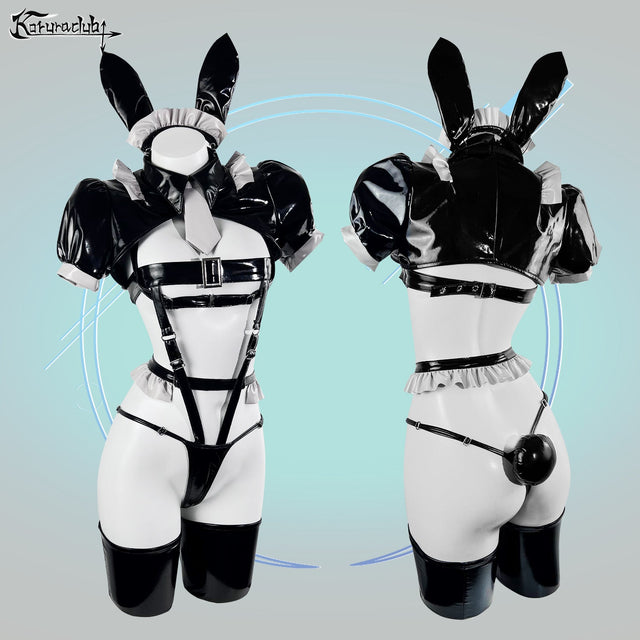
Where Did the Bunny Girl Outfit Come From?
The bunny girl outfit is one of the most recognizable costume designs in modern pop culture. With its signature bunny ears, fitted bodysuit, bow tie, cuffs, collar, and fluffy tail, the look has appeared everywhere from classic nightlife to Halloween parties, cosplay conventions, anime, and video games.
But where did the bunny girl outfit come from?
Although bunny-inspired clothing existed in different forms before the 1960s, the modern bunny girl look is strongly connected to the Playboy Clubs and the iconic Bunny uniform introduced at the first Playboy Club in Chicago in 1960. From there, the bunny suit developed into a cultural symbol and eventually influenced fashion, entertainment, anime, and modern bunny cosplay.
1. The Origins of the Bunny Girl Outfit
The First Playboy Bunny Suit
The modern history of the bunny girl outfit begins in 1960, when the first Playboy Club opened in Chicago. The Bunny costume was created as a distinctive service uniform for the club's female employees.
The original outfit was much more structured than many modern bunny costumes. It featured a strapless, form-fitting satin garment, oversized bunny ears, and a fluffy tail. The familiar white collar, bow tie, cuffs, and name-tag rosette became established as part of the recognizable Bunny look shortly afterward.
The concept was closely connected to the Playboy rabbit logo. The goal was to turn that simple graphic symbol into a recognizable three-dimensional character and uniform.
Interestingly, the original costumes were not limited to one color. Early versions were produced in multiple shades, allowing the Playboy Clubs to create a coordinated but visually varied appearance.
Who Designed the Original Bunny Costume?
The answer is more complicated than many articles suggest.
Zelda Wynn Valdes, an influential Black American fashion designer, is frequently credited with designing the Playboy Bunny costume. Some historical auction records describe the costume as being conceived by Playboy's Victor Lownes, designed by Valdes, and refined by Hugh Hefner.
However, fashion historians have questioned whether Valdes should be credited as the sole original designer of the 1960 Chicago costume. The Fashion Institute of Design & Merchandising Museum notes that firsthand accounts point to several people being involved in the costume's development, while Valdes's exact role in the earliest version remains uncertain.
This distinction is worth mentioning because the history of the bunny suit has often been simplified online.
2. How the Bunny Suit Became a Cultural Icon
More Than a Club Uniform
The Bunny uniform quickly became more than workplace clothing. Its distinctive combination of ears, corset-style silhouette, collar, bow tie, cuffs, and tail created an instantly recognizable character.
In fact, the Bunny costume became the first service uniform registered with the United States Patent and Trademark Office, helping establish its status as a distinctive commercial design.
Over the following decades, the visual language of the costume spread far beyond Playboy Clubs. Bunny-inspired outfits appeared in Halloween costumes, fashion photography, entertainment, advertising, and popular media.
This transition is one reason the phrase bunny girl outfit today can refer to many different styles rather than one specific uniform.
From Classic Bunny to Modern Costume
Modern bunny costumes often borrow only selected elements from the original design. Bunny ears may be paired with bodysuits, dresses, stockings, heels, gloves, or themed accessories.
This flexibility has made the bunny girl aesthetic particularly useful for costume designers and cosplayers.
If you're looking for a classic bunny girl outfit, the traditional combination of black-and-white details, bunny ears, a bow tie, cuffs, and a fitted silhouette remains the most recognizable choice. For a more contemporary look, pastel colors, lace, satin, velvet, or character-inspired accessories can create a completely different interpretation.
3. How Bunny Girl Outfits Entered Anime and Cosplay
The Daicon IV Bunny Girl
The bunny girl aesthetic eventually crossed into Japanese pop culture.
One of the most famous early examples is the DAICON IV opening animation from 1983. The short animation features a female protagonist wearing a bunny costume while moving through a fast-paced sequence filled with references to science fiction, fantasy, tokusatsu, and other elements of otaku culture. Academic research also identifies the character as wearing a Playboy-style bunny costume.
The importance of DAICON IV is that it helped demonstrate how the Western bunny girl image could be reinterpreted through Japanese animation culture.
From there, the visual concept became increasingly familiar to anime and manga audiences.
From Anime to Bunny Cosplay
Today, bunny cosplay is a broad category rather than a single costume style. Cosplayers may recreate an established fictional character or create an original bunny-inspired character.
This is also why searches for terms such as bunny cosplay outfit, anime bunny girl costume, and classic bunny suit costume can refer to very different designs.
The basic visual formula remains surprisingly consistent: recognizable ears, a coordinated outfit, and accessories that establish the character immediately.
4. Why Is the Bunny Girl Outfit Still Popular?
There are several reasons the style has remained relevant for more than six decades.
First, it has an extremely strong visual identity. A pair of bunny ears can immediately communicate the theme, while the rest of the costume can be customized.
Second, the design is highly adaptable. A traditional bunny suit can be transformed into an anime-inspired costume, Halloween look, stage outfit, or personalized cosplay design.
Finally, the bunny girl aesthetic has accumulated cultural associations from several different eras. It connects 1960s American nightlife with later fashion, entertainment, anime, and internet cosplay culture.
That combination of history and flexibility helps explain why the bunny girl outfit continues to appear in modern costume trends.
5. How to Choose a Bunny Girl Outfit for Cosplay
Start With the Character or Theme
If you're planning a bunny cosplay, decide on the overall aesthetic before choosing individual pieces.
A classic look might use a black bunny suit, white collar and cuffs, black bow tie, and matching ears. An anime-inspired design may use brighter colors and character-specific accessories.
Pay Attention to Fit and Materials
A good cosplay outfit should balance appearance with comfort. Consider the fabric, construction, sizing, and how long you expect to wear the costume.
Accessories can also make a significant difference. Bunny ears, gloves, stockings, shoes, bows, and character-inspired details can turn a basic bunny girl costume into a more complete cosplay.
6. FAQ About the Bunny Girl Outfit
Q1. When did the bunny girl outfit originate?
The modern bunny girl outfit is generally traced to the Playboy Bunny uniform introduced at the first Playboy Club in Chicago in 1960. The original costume later developed the collar, bow tie, cuffs, and other details now associated with the classic bunny suit.
Q2. Who designed the original bunny suit?
The history is disputed. Zelda Wynn Valdes is often credited with designing the Bunny costume, and some historical records describe her as the designer. However, museum research indicates that the development involved multiple people and that her precise role in the earliest 1960 Chicago version is not completely established.
Q3. Why is bunny cosplay so popular?
Bunny cosplay is popular because the basic visual elements are instantly recognizable while still allowing extensive customization. Cosplayers can adapt the colors, materials, accessories, makeup, and character details to create everything from a classic bunny suit to a modern anime-inspired look.
7. The Evolution of the Bunny Girl Outfit
The history of the bunny girl outfit is much more interesting than a simple costume trend. Its modern form emerged from the Playboy Club Bunny uniform of 1960, evolved through American popular culture, and later found a new identity in Japanese anime and cosplay.
Today, the bunny suit is no longer limited to one particular design or cultural context. Whether you're interested in fashion history, anime, Halloween costumes, or bunny cosplay, the style continues to evolve while retaining the distinctive visual elements that made it famous in the first place.
Looking for inspiration for your own bunny girl look? Start with the classic elements—bunny ears, a recognizable silhouette, and coordinated accessories—then adapt the details to your preferred character, theme, or personal style.


0 Comentarios
No hay comentarios todavía. Sé el primero en comentar.